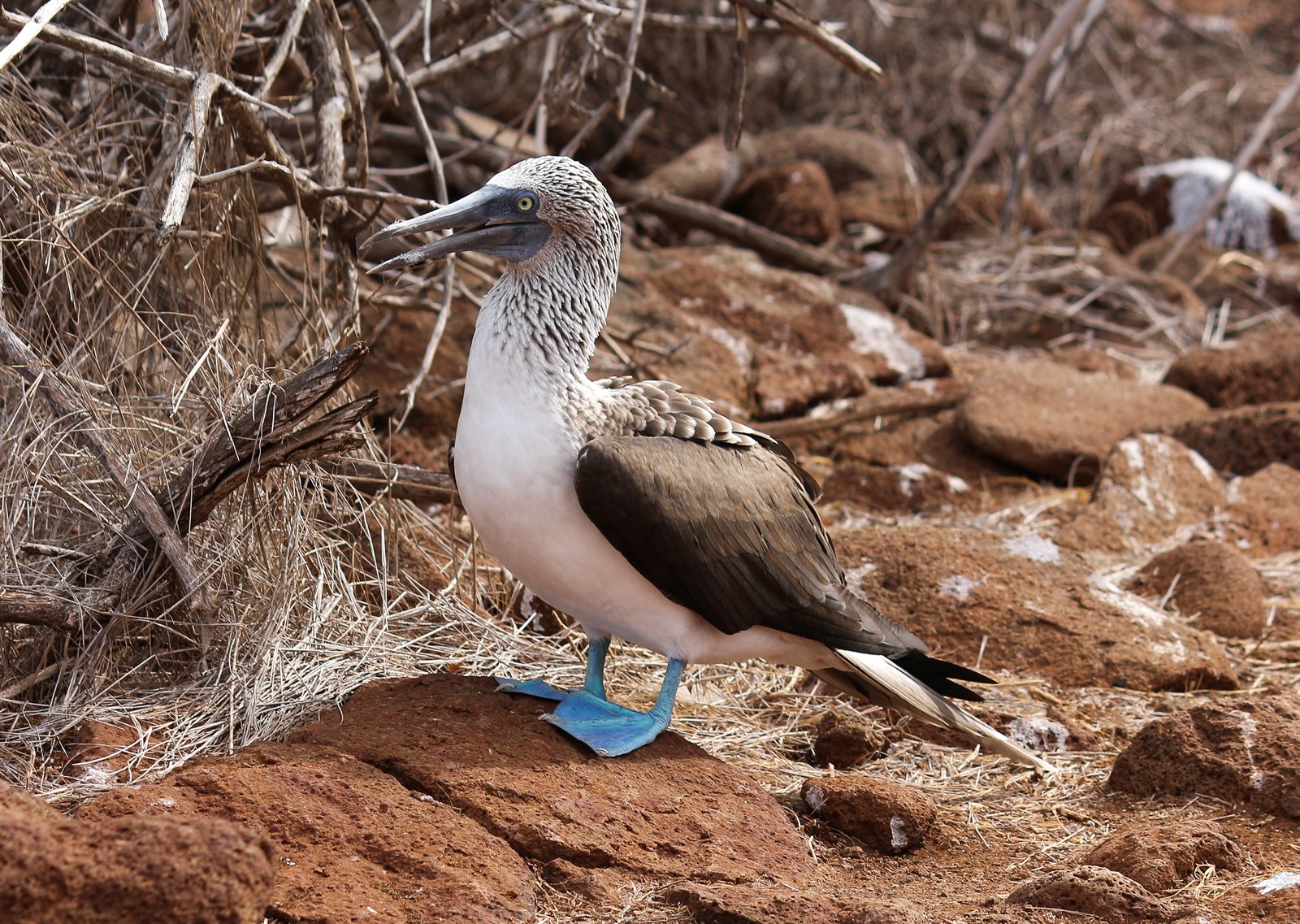
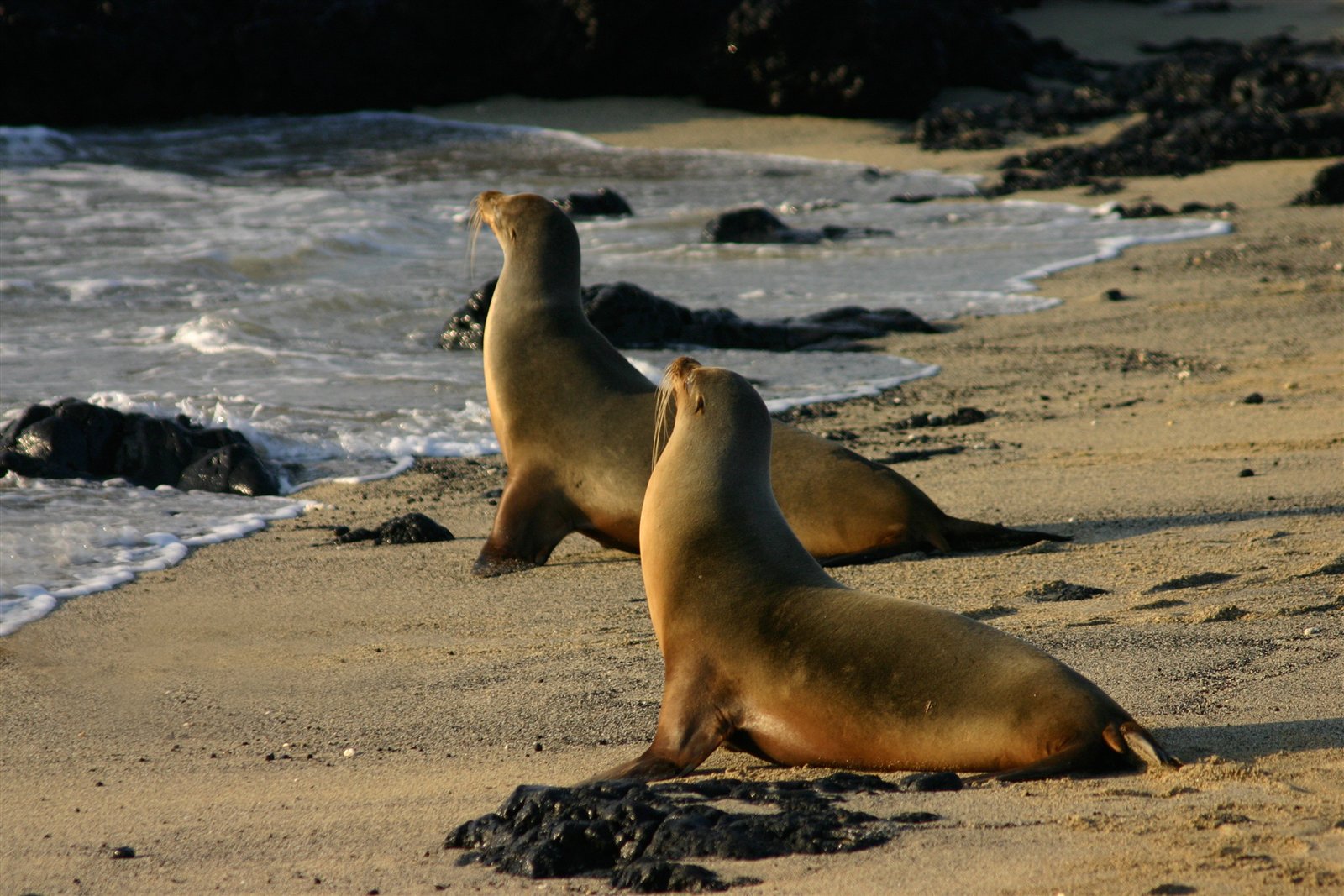
Choose the Galapagos departure that fits your dates, priorities, and budget.
Use this order: lock the travel window, compare the exact day-by-day routes, check the ship and cabin, then price the complete trip. Keep one backup departure until a specialist confirms a cabin hold.
Filter available cabins first, then choose the strongest route within that window.
If dates are flexible
Choose one must-have island or activity before comparing month and fare.
Before booking flights
Confirm whether the cruise starts and ends at Baltra (GPS) or San Cristobal (SCY).
Make the four decisions in this order.
Set your dates, cabin needs, and budget before comparing wildlife priorities.
1
Set the usable travel window
Include mainland Ecuador flight time, the cruise, and any buffer your international itinerary requires.
2
Choose one route priority
Name the island, wildlife habitat, or activity you would most regret missing.
3
Check the ship and cabin
Confirm mobility, motion, occupancy, bedding, deck location, and activity needs.
4
Confirm the all-inclusive total
Use the displayed price as the complete package total.
Compare seasons only if your dates are flexible.
Wildlife is present year-round, while water temperature, wind, rain, and particular breeding activity change through the year. A sighting is never guaranteed, so do not reject an otherwise strong departure for a single wildlife date.
December to May
Warmer water and greener landscapes
This generally warmer, wetter period suits travelers who put snorkeling comfort and warm-weather deck time ahead of cooler marine conditions.
Prioritize this window if colder water would limit your time snorkeling.
Expect heat, humidity, and occasional rain rather than constant rain.
Ask whether wetsuits are included and which thickness is carried.
June to November
Cooler water and breezier conditions
Cooler currents can make the sea more productive, while garua, wind, and rougher crossings may matter more to comfort.
Prioritize this window if marine activity matters more than warm water.
Pack a warm layer for open-deck time and Zodiac rides.
Discuss motion sensitivity and wetsuit comfort before selecting a cabin.
Decision rule: fixed dates make live availability and exact route more important than the broad season. Flexible dates let you compare season, route, and price together.
Compare named visitor sites, not route labels or island counts.
Read the day-by-day itinerary and confirm your must-have island, landing, or activity.
Varied first trip
Central, southern, and eastern sites
Routes may combine Santa Cruz highlands with North Seymour, Espanola, San Cristobal, or nearby islands for tortoise context, sea lions, beaches, and seabird colonies. Check the exact combination.
Volcanic and marine focus
Western islands
Isabela and Fernandina can add younger volcanic terrain, marine iguanas, flightless cormorants, and a chance of Galapagos penguins. Ask about longer open-water navigation if motion is a concern.
Birding priority
Northern and outer sites
Genovesa and selected outer sites can reward bird-focused travelers with large colonies and cliff scenery. These calls appear on fewer itineraries, so confirm the named visitor site before choosing.
Reject a departure if its published itinerary omits your one must-see site or activity. Treat wildlife descriptions as possibilities, not promises, and ask what the operator substitutes when park or sea conditions change.
Choose the route first, then make sure the ship and cabin fit the week.
Ship size does not prove route quality. Once the itinerary fits, compare guide and activity-group size, stabilization and overnight navigation, accessibility, onboard space, and the cabin you can actually reserve.
Ask these six questions before choosing a departure.
Which named visitor sites are scheduled?How many full excursion days remain after flight and transfer days?Which activities run most days, and what is their difficulty?Are wet landings, stairs, or rough terrain a mobility issue?Does the cruise use Baltra (GPS), San Cristobal (SCY), or both?What changes if the park or sea conditions close a site?
Confirm the included logistics and airport plan.
Check flight, transfer, and meeting details before booking separate transportation.
Match the cruise to the correct airport
Galapagos flights leave mainland Ecuador from Quito (UIO) or Guayaquil (GYE) and arrive at Baltra (GPS) or San Cristobal (SCY). Confirm the cruise meeting point, start airport, end airport, and transfer timing first.
Visitor requirements are included
Required Galápagos park and transit arrangements are already covered by the displayed package total. No separate amount is added to your request.
Review the included arrangements
Use the itinerary to confirm the flights, transfers, lodging, activities, and equipment included in the package. The displayed total will not receive a later mandatory surcharge.
Protected-area reality: authorized visitor sites, guide instructions, weather, and park decisions can change the day plan. Keep wildlife distance, accessibility, and acceptable alternatives in the booking conversation.
Send a first choice and one acceptable backup.
A specialist can confirm inventory faster when the request includes the constraints that change the answer. A displayed cabin is not held until the operator confirms it.
1
Give the exact usable dates
Include the earliest cruise start, latest cruise end, and whether either can move.
2
Name the travelers
Share guest count, ages of children, rooming plan, mobility needs, and dietary needs.
3
State one route must-have
Use a named island, visitor site, or activity rather than a general wish to see wildlife.
4
Set a complete per-guest budget
Use the displayed all-inclusive per-guest price as the complete package budget.
5
Request a hold and an alternate
Ask how long the hold lasts, what deposit is due, when the balance is due, and which terms are refundable.
The islands are a year-round destination. December through May generally brings warmer water, greener landscapes, and occasional rain. June through November is usually cooler, breezier, and richer in marine activity. Exact visitor sites and live availability often matter more than chasing one wildlife date.
Should I choose a cruise or a land-based trip?
A cruise uses overnight navigation to reach more islands and remote visitor sites without spending as much daylight in transit. A land-based trip offers more schedule flexibility, town time, and hotel choice, but day trips reach a smaller range of sites. Choose based on route access, motion comfort, and preferred pace.
How many days do I need?
Seven or eight days is a useful target for a first trip because arrival and departure consume part of two days. A shorter trip can still work. Compare the number of full excursion days and the named visitor sites, not only the advertised trip length.
How do I get to the islands?
Commercial flights leave mainland Ecuador from Quito (UIO) or Guayaquil (GYE) and arrive at Baltra (GPS) or San Cristobal (SCY). Confirm which island airport the itinerary uses before buying separate mainland or international flights.
What documents and entry fees do I need?
Most visitors need valid identification, a personal round-trip ticket between mainland Ecuador and the islands, a $20 Transit Control Card, and the National Park conservation fee. The current official schedule lists $200 for foreign visitors age 12 and older and $100 for foreign visitors under 12, with lower rates for several nationality and residency categories.
Our displayed package totals include required Galapagos park and transit arrangements. Requirements can change, so review the English TCT and National Park fee guide before departure.
Do I have to snorkel or be a strong swimmer?
No, but snorkeling is a major part of many itineraries. Ask whether flotation aids, wetsuits, beach entries, or alternate Zodiac and shore activities are available. If you prefer to stay out of the water, compare the landings and guided walks before choosing the route.
What should I pack?
Pack light, quick-drying layers, sturdy walking shoes, secure water shoes, a brimmed hat, sun protection, a reusable bottle, a light wind or rain layer, and a small dry bag. Check the flight and ship baggage limits before choosing a suitcase.
Clean soil, seeds, and plant material from footwear and gear before travel. Travelers age 18 and older currently complete the ABG goods declaration digitally, and baggage is subject to biosecurity inspection. Review the English biosecurity and declaration guide.
How close can I get to wildlife?
Stay at least two meters (six feet) from wildlife, including with cameras. Do not touch or feed animals, remove rocks, shells, sand, or plants, or leave marked trails. Follow your authorized naturalist guide even when an animal approaches you. Read the Galapagos National Park visitor rules in English.
What if I get seasick or have limited mobility?
Ask about overnight crossings, ship stability, stairs, wet landings, trail surfaces, and alternate activities before selecting a sailing. A lower, centrally located cabin may reduce motion on some ships. Discuss suitable motion-sickness medication with a clinician before travel.
Can an itinerary guarantee a species or visitor site?
No. Wildlife moves freely, and National Park authorities, weather, or sea conditions can change the day plan. Select an itinerary with several habitats you value, then ask what substitute sites or activities the operator normally uses.
Build a two-departure shortlist.
Filter by your hard dates and budget, open the exact itineraries, then send your first choice and backup for a non-binding availability check.